
Applied physics research institute
Materials science for the energy transition
- research areas
- 12research areas
- departments
- 3departments
- founded
- 2026founded
Research areas
Five areas in energy physics, five in electronics physics, two cross-cutting.
Energy
05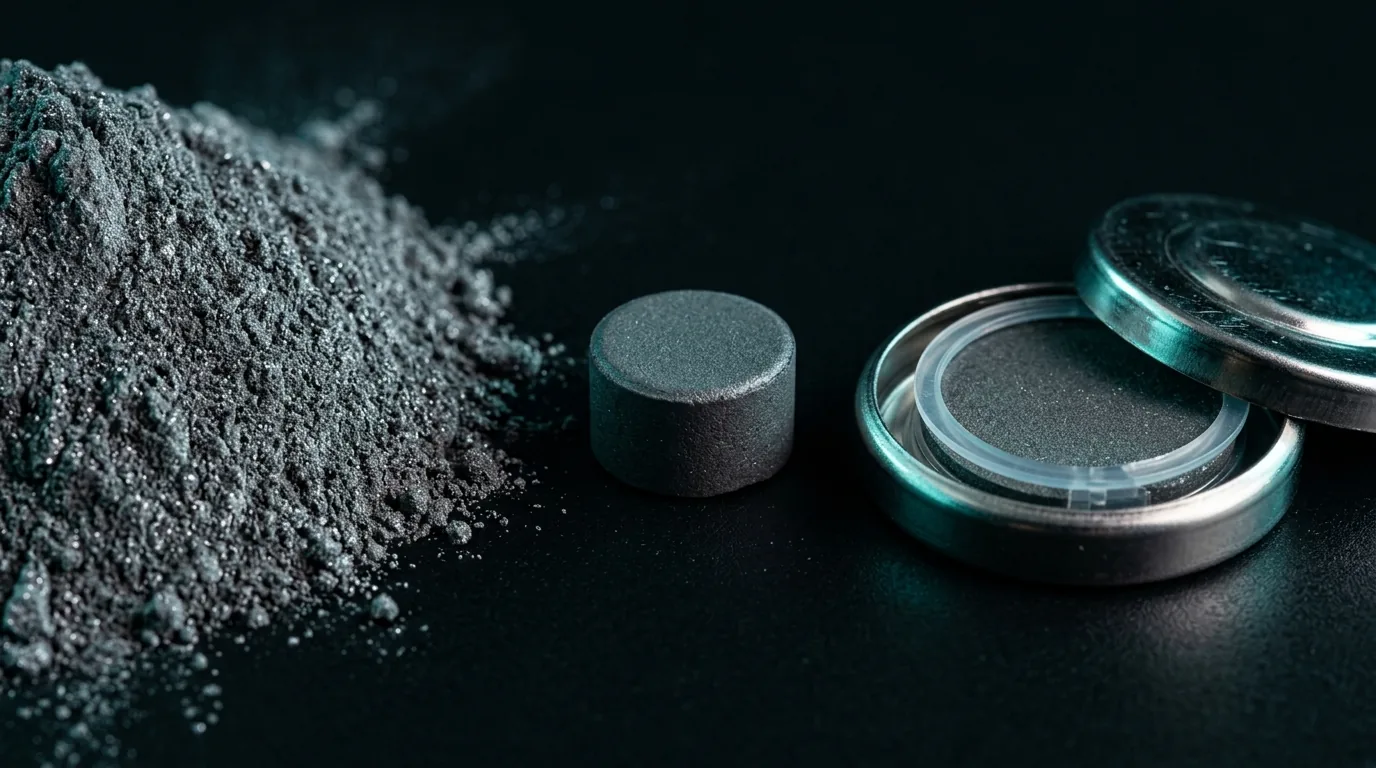
Post-lithium battery physics
Sodium-ion, iron flow batteries, lead-carbon: the physics of storage outside the lithium supply chain.
Read more
Photovoltaics in the humid tropics
Imported modules are qualified for temperate or desert climates. Their ageing physics under permanent 80 % humidity is a blind spot.
Read more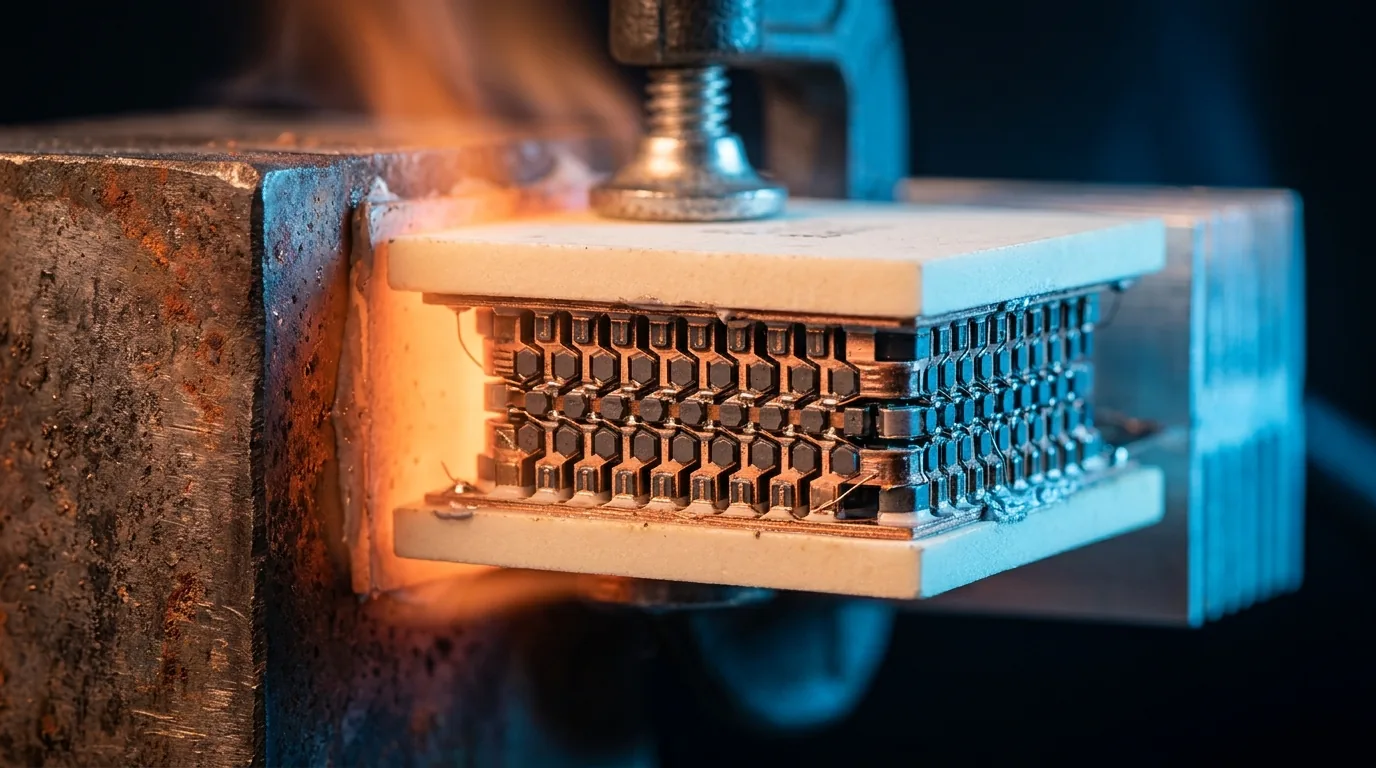
Thermoelectrics and waste-heat recovery
Cement plants, breweries and diesel gensets reject gigawatts of heat. Electron–phonon transport in earth-abundant materials.
Read more
Materials physics for biomass and combustion
Pyrolysis and gasification kinetics of cocoa and palm residues, heat transfer in fixed beds, catalysts.
Read more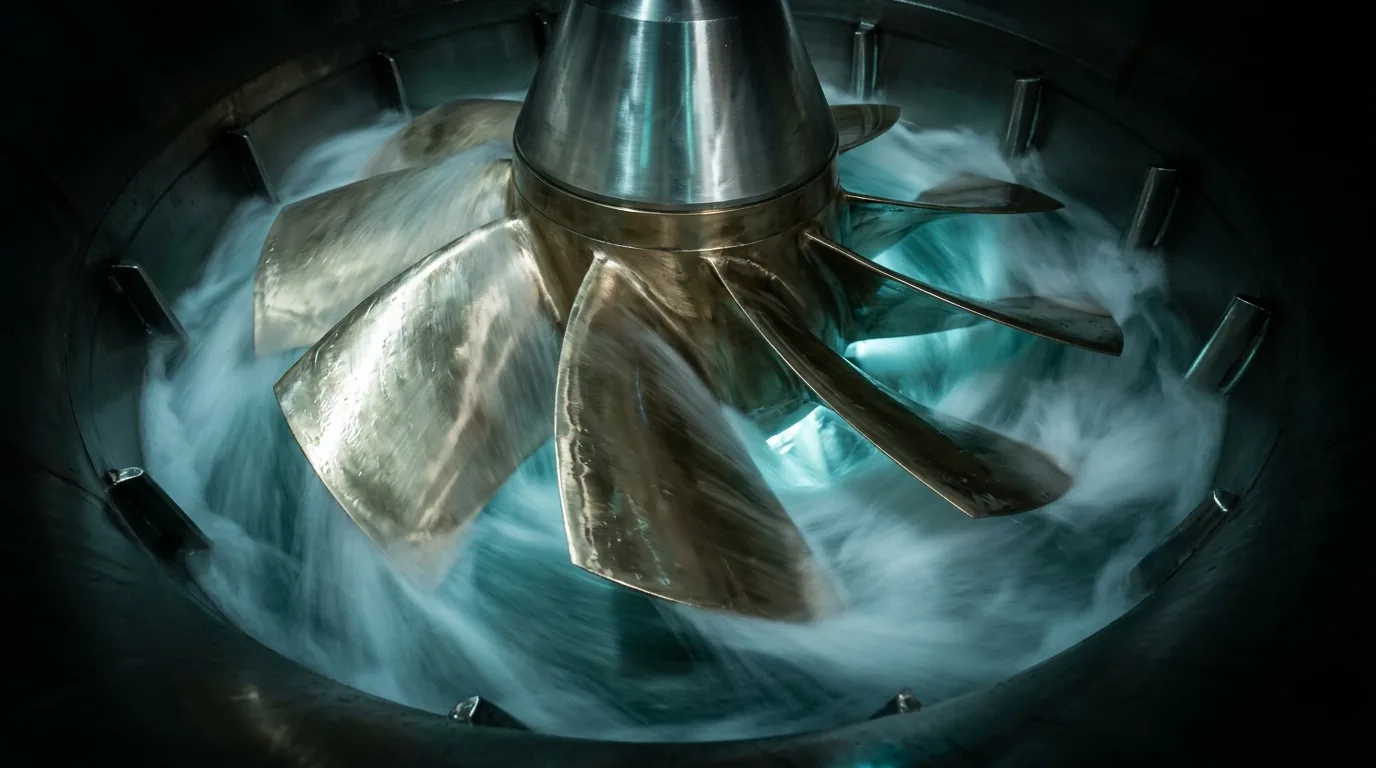
Physical hydrology and small hydropower
Flood and low-flow regimes under climate variability, fluid mechanics of low-head turbines.
Read moreElectronics
05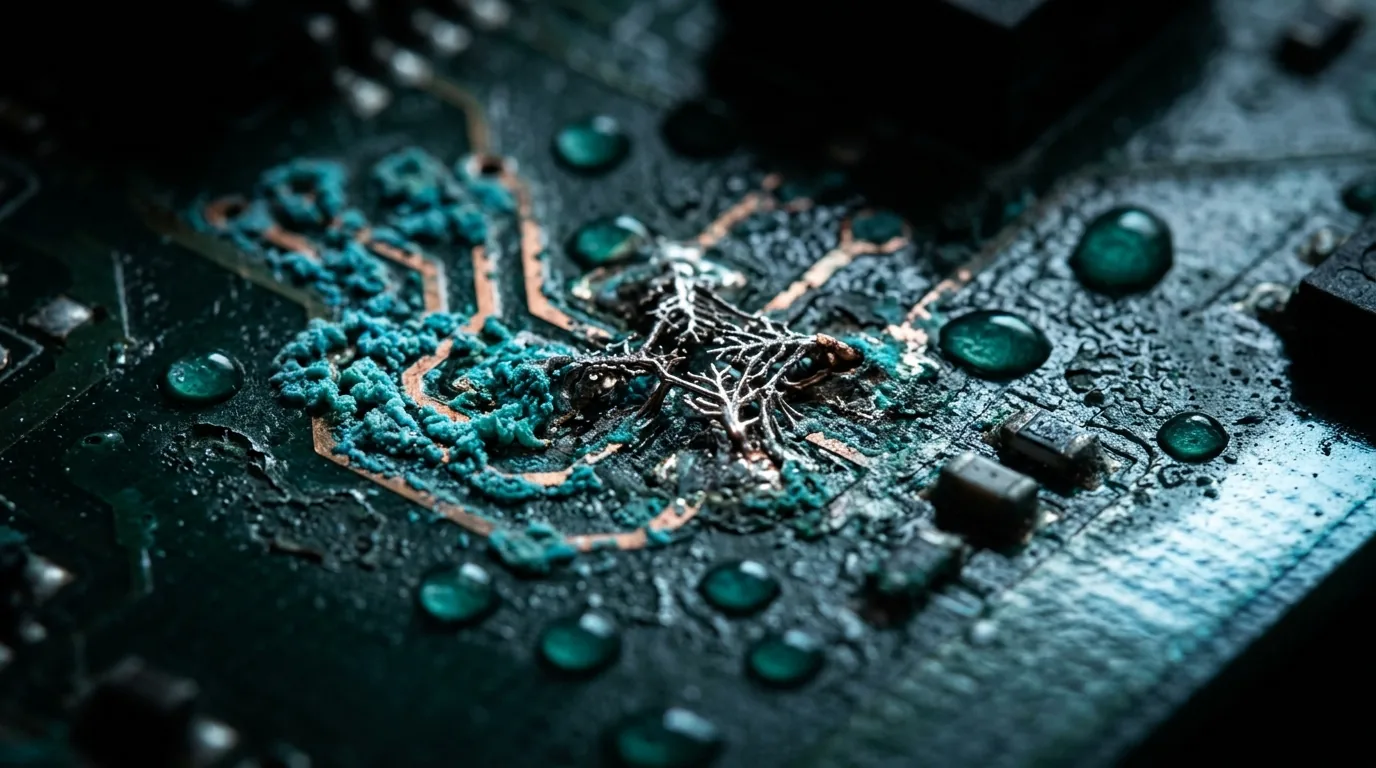
Reliability physics in tropical environments
Electromigration, board-level corrosion, moisture diffusion in encapsulants, thermomechanical solder-joint fatigue.
Read more
Wide-bandgap semiconductors for power electronics
SiC and GaN tolerate heat and overvoltage better than silicon. Traps, defects and interface transport.
Read more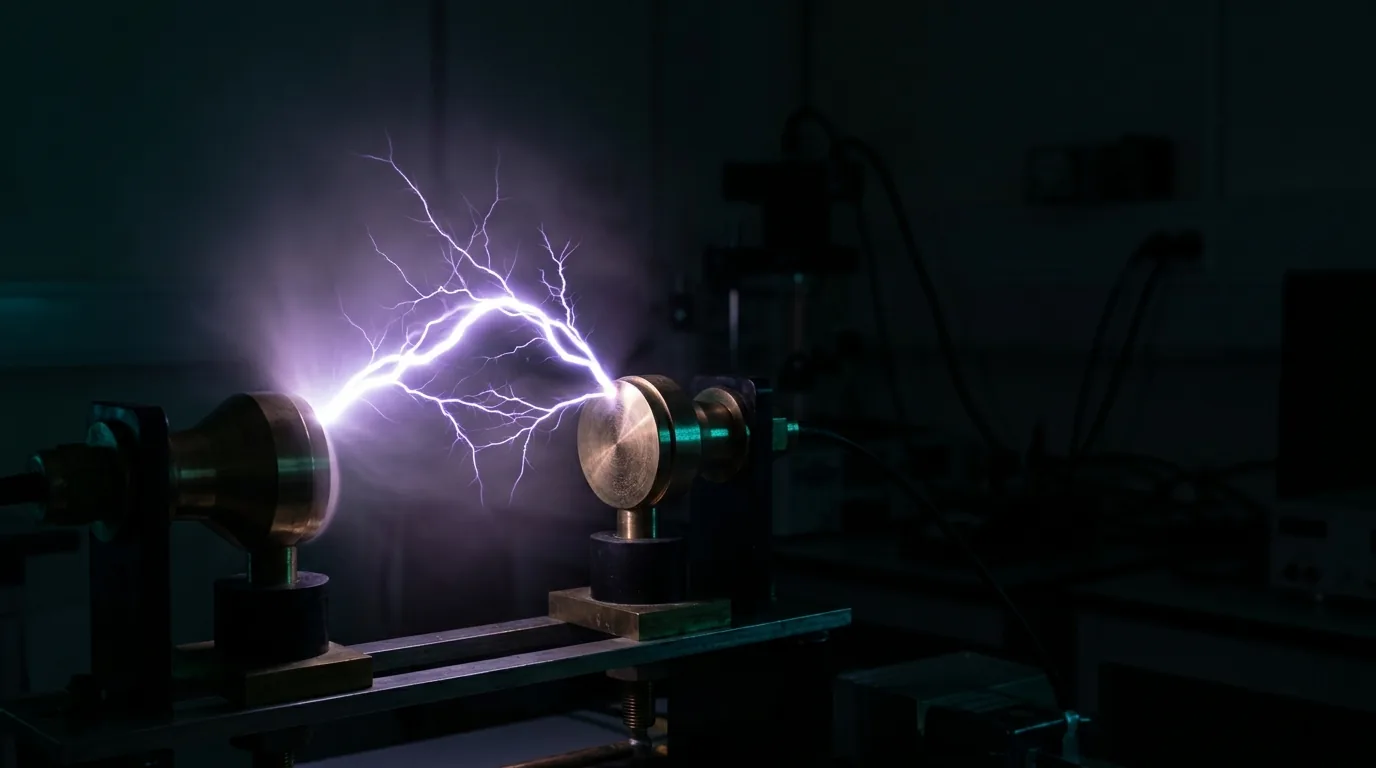
Discharge and lightning physics
The Congo basin is the most thunderstorm-prone region on Earth, and the physics of lightning–grid coupling there is almost unexplored.
Read more
Electronic materials from abundant resources
Indium-free transparent conducting oxides, iron-based soft magnetic materials, dielectric ceramics.
Read more
Computational physics
DFT, molecular dynamics, multiphysics simulation: electronic structure, phonon transport and point defects.
Read moreCross-cutting
02
Metrology and secondary standards
A country without secondary standards can neither certify nor export. Fundamental physics with immediate industrial impact.
Read more
Building materials and building thermal physics
Air conditioning is the largest tertiary-sector electricity load. Phase-change materials, bio-based insulation, coupled transfers.
Read morePublications and preprints
Papers, preprints, datasets and code produced by the academy.
No publications listed yet
The academy is starting its programmes. The first preprints will be deposited on arXiv and indexed here as soon as they go online, together with the associated data and code.
- Preprint deposited on arXiv or HAL before or at submission.
- Measurement data and analysis scripts released under an open licence with a Zenodo DOI.
- Affiliation “Nangmo Academy, Yaoundé, Cameroon” on all work, including collaborations.
- No publication in journals without an identifiable editorial board.